
Businesses depend on far more than the products or services they provide. Behind every successful operation is a network of physical systems, equipment, facilities, utilities, and supporting infrastructure that allows employees to work and customers to be served. When those systems function properly, they may receive little attention. When something fails, however, the effects can quickly spread throughout an organization.
Infrastructure investment is therefore an important part of maintaining business continuity and preparing for future growth. A warehouse needs reliable loading areas and doors. A manufacturing operation may depend on specialized metal components and dependable utilities. An office building requires functional heating, cooling, plumbing, and electrical systems. Construction and industrial businesses may also need fencing, waste management, transportation support, and temporary facilities.
Investing in infrastructure does not necessarily mean making the largest possible upgrade. It means understanding which systems are essential to daily operations, identifying potential weaknesses, and allocating resources toward improvements that support reliability, safety, efficiency, and long-term usability.
Identify the Infrastructure Your Business Depends On
The first step in developing an infrastructure strategy is identifying what your business actually relies on. Different industries have very different physical requirements, and even companies within the same industry may have unique needs.
A manufacturing facility may depend on machinery, ventilation, specialized structures, loading equipment, and reliable utilities. A warehouse may prioritize storage capacity, access points, security, and climate control. A service-based office may focus more heavily on comfortable workspaces, technology infrastructure, plumbing, parking, and accessibility.
Create an inventory of major systems and physical assets throughout the property. Include buildings, utility systems, doors, fences, loading areas, vehicles, equipment, storage areas, and safety infrastructure.
For each item, consider its age, condition, maintenance history, and importance to daily operations. A system that is old but easily replaceable may not require immediate attention, while a smaller component that could shut down an entire production line may deserve higher priority.
It is also useful to categorize infrastructure according to its importance. Critical systems are those that could stop operations if they fail. Important systems may affect productivity or employee comfort but would not necessarily shut down the business. Secondary improvements may enhance appearance or convenience without being essential to operations.
This assessment provides a practical starting point for deciding where infrastructure spending can have the greatest operational impact.
Plan for Repairs Before Problems Become Emergencies
Preventive maintenance is one of the most effective ways to protect commercial infrastructure. Waiting until equipment fails can lead to emergency service calls, unexpected expenses, and operational interruptions.
Business owners should establish inspection and maintenance schedules for essential systems. Heating and cooling equipment, plumbing, roofing, electrical systems, loading equipment, and security infrastructure can all benefit from routine evaluations.
Commercial properties also experience normal wear as employees, customers, vehicles, and equipment move through them every day. Identifying deterioration early allows businesses to address relatively small problems before they become major repairs.
Documentation is particularly useful. Keep records of inspections, repairs, replacement dates, warranties, and contractor information. These records make it easier to anticipate upcoming expenses and determine whether continued repairs make sense compared with replacement.
Businesses should also establish procedures for responding to urgent failures. Employees should know whom to contact when a critical system stops working, and important contractor information should be readily available.
Preventive maintenance can also make budgeting easier. Instead of facing an unexpected replacement expense without warning, business owners can monitor the condition of important assets and begin planning for their eventual replacement.
Invest in Specialized Fabrication When Standard Components Are Not Enough
Some businesses require physical components designed specifically for their operations. Standard products may not always provide the dimensions, materials, strength, or configuration required for specialized industrial environments.
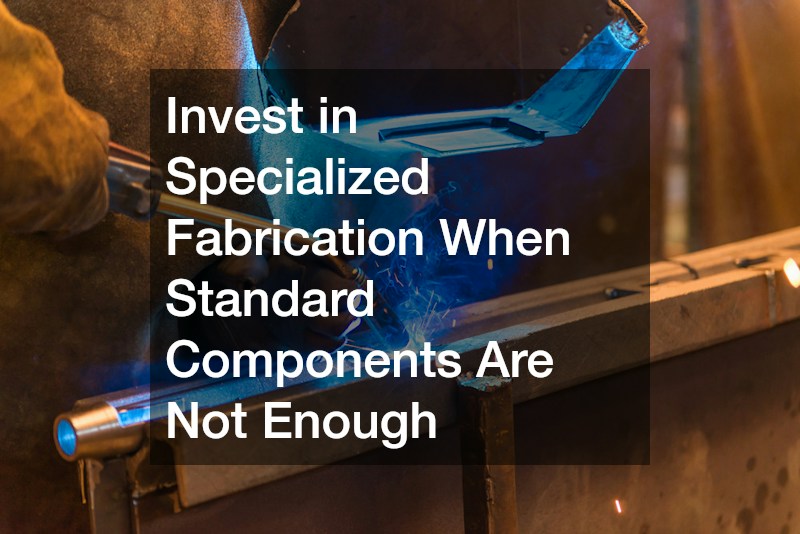
A custom metal fabrication service can provide components designed around particular operational requirements. Custom fabrication may be useful for structural supports, brackets, frames, platforms, guards, equipment components, and other metal assemblies.
Before ordering custom work, businesses should clearly define the intended use and required specifications. Material selection, dimensions, load requirements, environmental conditions, and installation considerations can all affect the final design.
It is also important to consider future maintenance. A custom component should not only solve an immediate problem but should ideally remain accessible for inspection, cleaning, and repair.
Working with experienced fabricators can help businesses determine whether a custom solution is practical or whether an existing commercial product can accomplish the same goal more efficiently.
Custom infrastructure can be particularly useful when businesses operate in specialized environments. Manufacturing facilities, warehouses, agricultural operations, transportation businesses, and other industrial companies may encounter situations where standard components simply do not fit their workflow.
Keep Commercial Doors and Access Points Reliable
Doors may seem like relatively simple building components, but they can play an important role in business operations. Warehouses, distribution centers, manufacturing facilities, garages, and service businesses may open and close large doors dozens or hundreds of times during normal operations.
Malfunctioning doors can delay deliveries, interfere with vehicle movement, create security concerns, and expose interior spaces to weather conditions. Regular inspections can identify worn springs, damaged tracks, malfunctioning openers, or other problems before they result in complete failure.
Businesses that rely on large vehicle access points should consider the condition and suitability of their commercial garage doors. Door size, operating frequency, insulation, security features, and safety mechanisms should all be considered when selecting or replacing these systems.
Maintenance schedules should reflect how frequently doors are used. A door that operates only occasionally may have different maintenance requirements from one that cycles continuously throughout the day.
Reliable access infrastructure helps keep materials, vehicles, employees, and customers moving through a property without unnecessary delays. It can also help businesses maintain security by ensuring doors close properly and access points remain controlled.
Maintain Comfortable and Productive Indoor Environments
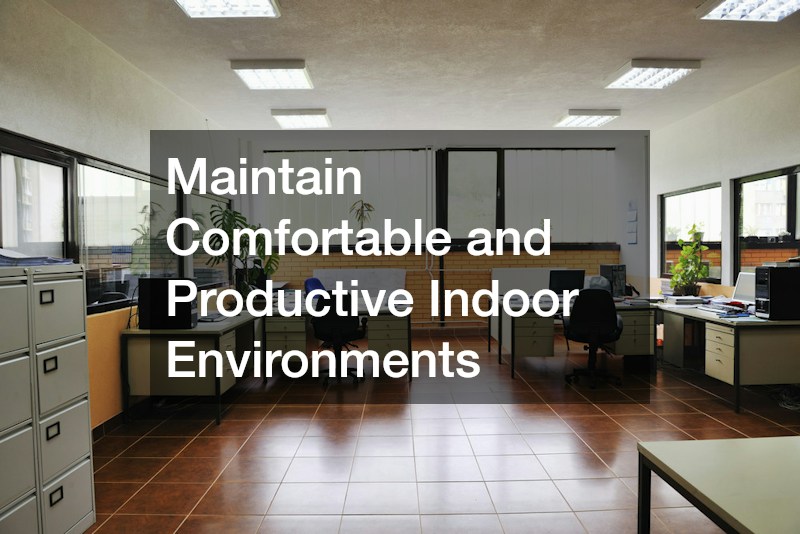
Temperature control can have a significant effect on commercial operations. Employees need comfortable working conditions, while certain products, equipment, and processes may require specific environmental conditions.
Heating, ventilation, and air conditioning systems should therefore be treated as essential infrastructure rather than an afterthought. Regular filter changes, inspections, cleaning, and equipment maintenance can help keep systems operating efficiently.
When an aging system begins experiencing repeated problems, continued repairs may eventually become less practical than replacement. Commercial HVAC building repairs can address problems affecting heating, cooling, ventilation, and related components, depending on the property and system involved.
Businesses should also consider how building changes affect HVAC requirements. Expanding a facility, adding equipment, changing room layouts, or improving insulation may alter heating and cooling loads.
Planning HVAC improvements alongside broader building projects can prevent businesses from investing in systems that are improperly sized for the renovated space.
Indoor environmental conditions can also affect sensitive inventory and equipment. Warehouses may need temperature control to protect certain products, while manufacturing facilities may require appropriate ventilation around particular processes.
Protect Property With Appropriate Fencing
Commercial properties often need physical boundaries for security, safety, privacy, or traffic management. Fencing can help control access to equipment, vehicles, storage areas, construction zones, and restricted sections of a property.
When planning commercial fence installations, businesses should first determine what the fence needs to accomplish. A security fence may require different materials and features than a decorative boundary or temporary construction barrier.
Height, gate configuration, access control, visibility, durability, and maintenance requirements should all be considered. The property’s surroundings also matter. Fencing should not interfere with emergency access, drainage, utilities, or normal vehicle movement.
For many commercial properties, a commercial chain link fence can provide a practical combination of visibility, durability, and controlled access. Additional security features can be incorporated depending on the site’s requirements.
Businesses should also inspect existing fencing periodically. Bent posts, damaged mesh, broken gates, and deteriorating hardware can compromise a property’s security even when most of the fence remains in good condition.
Well-planned fencing can also improve traffic organization. Separating pedestrian areas from vehicle routes or restricting access to equipment yards can make a property easier to navigate and safer for employees and visitors.
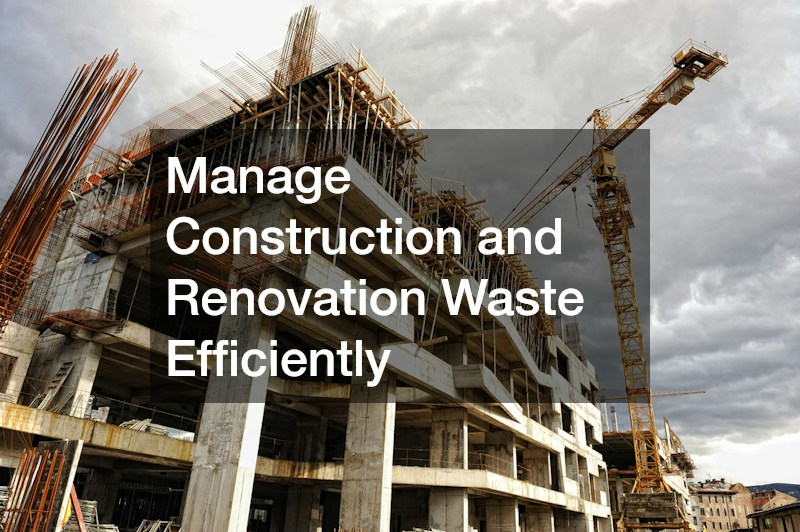
Manage Construction and Renovation Waste Efficiently
Construction, renovation, demolition, and facility improvement projects can generate substantial amounts of waste. Without an organized disposal plan, debris can create safety hazards, obstruct work areas, and make projects less efficient.
Planning waste removal before work begins helps contractors and property managers maintain cleaner and safer sites. Construction dumpster rentals can provide designated containers for appropriate construction debris, allowing workers to keep materials organized as projects progress.
The size and number of containers should reflect the expected volume and type of waste. Businesses should also understand what materials can be placed in each container and whether certain materials require specialized handling.
Waste management should be incorporated into the project schedule rather than treated as an afterthought. Containers may need to be positioned where they are accessible to workers while remaining clear of important vehicle routes, emergency access points, and customer areas.
An organized approach to construction waste can improve job-site efficiency and reduce unnecessary disruptions to other business activities.
Keep Plumbing Systems Reliable
Plumbing is another essential component of commercial infrastructure. A plumbing failure can affect restrooms, kitchens, production areas, employee spaces, and other parts of a facility.
Businesses should pay attention to signs of plumbing problems, including recurring clogs, slow drainage, unusual odors, water stains, fluctuating water pressure, or unexplained increases in water consumption. Addressing these issues early may prevent more serious damage.
Routine inspections can also identify aging pipes, deteriorating fixtures, and potential leaks. This is particularly important in older commercial buildings where plumbing systems may have been installed many years ago.
Commercial plumbing requires consideration of the property’s size, occupancy, usage patterns, and specific operational requirements. A restaurant, manufacturing facility, warehouse, and office building may all have very different plumbing demands.
Water conservation should also be part of infrastructure planning. Efficient fixtures, leak detection, and appropriate maintenance can help businesses control utility costs while reducing unnecessary water consumption.
Prepare for Vehicle and Transportation Needs
Businesses that depend on commercial vehicles need infrastructure capable of supporting those vehicles safely and efficiently. Parking areas, loading zones, service areas, storage yards, and access roads should all be evaluated based on the size and frequency of vehicle traffic.
Heavy vehicles can place considerable stress on pavement and other surfaces. Businesses should monitor parking lots and loading areas for cracking, potholes, drainage problems, and other deterioration.
Transportation planning should also include an emergency strategy. Vehicle breakdowns can interfere with deliveries, service appointments, construction schedules, and other operations.
Commercial heavy duty towing can provide an important support resource for businesses that operate larger vehicles or equipment. Knowing how to obtain assistance before an emergency occurs can reduce uncertainty when a disabled vehicle needs to be moved.
Businesses should also consider turning radiuses, loading clearances, overhead obstructions, and pedestrian routes when designing or modifying vehicle areas. These details can have a meaningful effect on everyday efficiency.
Provide Temporary Facilities During Major Projects
Construction and renovation projects can temporarily affect restrooms and other essential facilities. If existing restrooms are unavailable or a job site does not have permanent facilities, businesses need practical alternatives.
A porta potty rental can provide temporary restroom access for construction projects, outdoor events, commercial renovations, and other situations where permanent facilities are unavailable or inaccessible.
Placement should be planned carefully. Units should be accessible to workers and visitors without interfering with equipment movement, emergency access, or other critical site functions.
Temporary infrastructure should be included in project budgets and schedules from the beginning. Doing so prevents last-minute arrangements from creating additional complications.
Learn From Practical Business and Infrastructure Experience
Infrastructure decisions are ultimately business decisions. Owners and managers must consider how physical investments support productivity, protect assets, control operating expenses, and accommodate growth.
The experiences of business leaders can offer useful perspectives on how infrastructure and operations intersect. For example, Robert Granieri (an entrepreneur) can be considered in discussions about entrepreneurship and the practical decisions involved in building and operating businesses.
The specific infrastructure needs of every company will be different. A small business may focus on maintaining a single commercial property, while a growing organization may eventually need multiple facilities, expanded equipment, larger transportation capacity, or more sophisticated building systems.
The important consideration is to connect infrastructure spending to clearly defined operational needs. Businesses should ask whether a proposed investment improves reliability, safety, efficiency, capacity, or flexibility.
Build a Long-Term Infrastructure Budget
Infrastructure investment should not happen only when something breaks. Businesses can benefit from developing a multi-year plan that anticipates repairs, replacements, expansions, and improvements.
Start by identifying the expected lifespan of major assets and estimating when they may require significant investment. Roofing systems, HVAC equipment, doors, plumbing infrastructure, fencing, vehicles, and specialized machinery all have different maintenance and replacement cycles.
A capital improvement plan can help spread large expenses over time. Instead of being surprised by several major replacements in the same year, business owners can monitor aging assets and prioritize investments according to operational importance.
Businesses should also maintain emergency reserves for unexpected failures. Even the best maintenance program cannot eliminate every possibility of equipment breakdown or property damage.
Review the infrastructure plan regularly as the company changes. New employees, additional equipment, expanded services, increased inventory, and new locations may create requirements that did not exist when the original plan was developed.
Investing in infrastructure is an investment in the systems that allow businesses to operate consistently. Reliable buildings, equipment, access points, utilities, transportation areas, and safety features can support employees while reducing disruptions that interfere with daily operations.
The most effective approach begins with understanding what a business depends on and then creating a plan for maintenance, repairs, replacements, and future improvements. By addressing infrastructure proactively, companies can better prepare for growth while protecting the physical assets that support their work.
Whether a business is maintaining an established facility or preparing for expansion, infrastructure should remain part of the broader operational strategy. Thoughtful planning, regular inspections, appropriate professional support, and long-term budgeting can help create facilities that are prepared to keep businesses moving.